
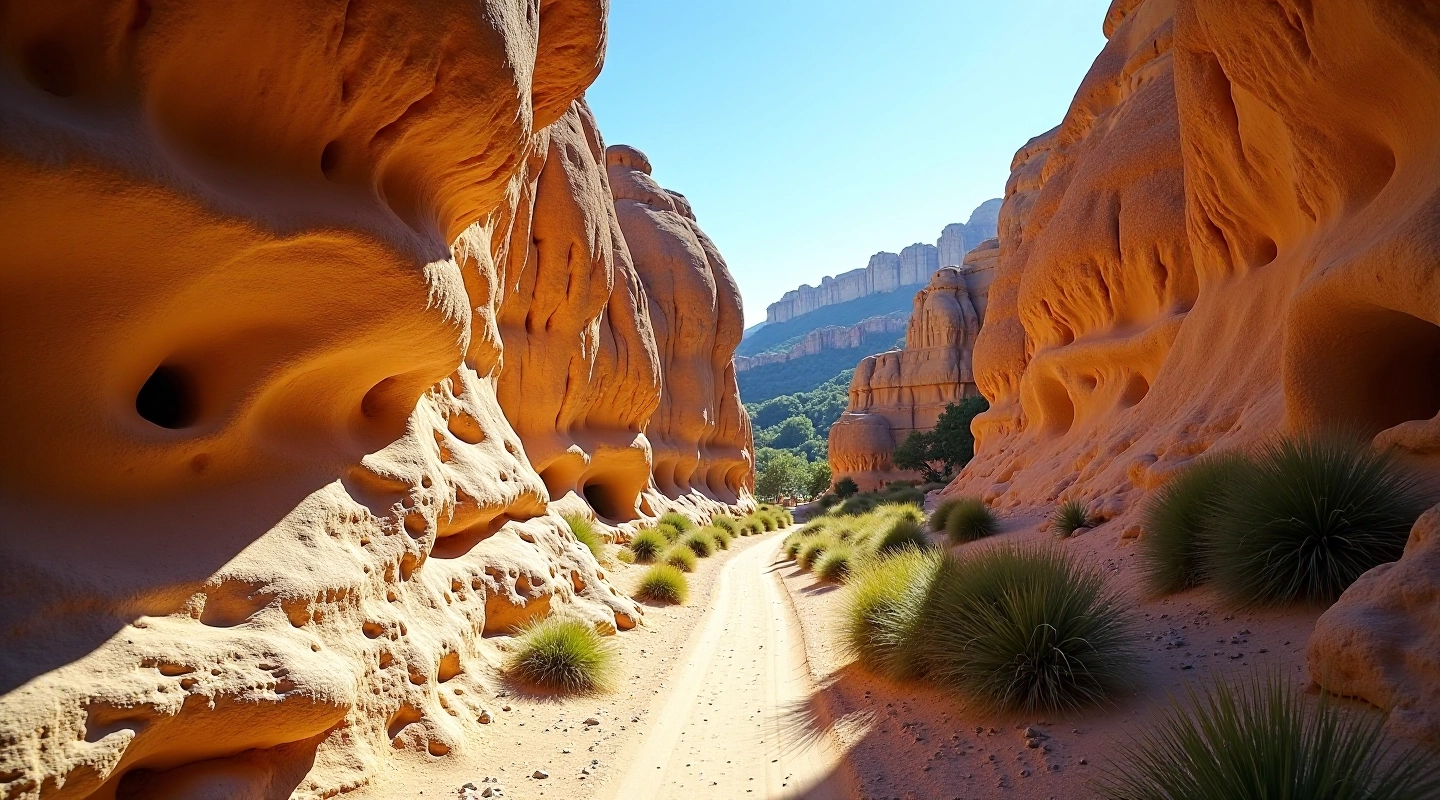
Understanding Sandstone Trail Difficulty
Not all trails in the labyrinth are the same. Learn how to read terrain difficulty, spot challenging sections, and choose routes that match your experience level.
You'll be climbing, walking, sometimes scrambling over uneven surfaces. Here's what experienced hikers bring — and what they leave behind. Practical packing tips from our guides.
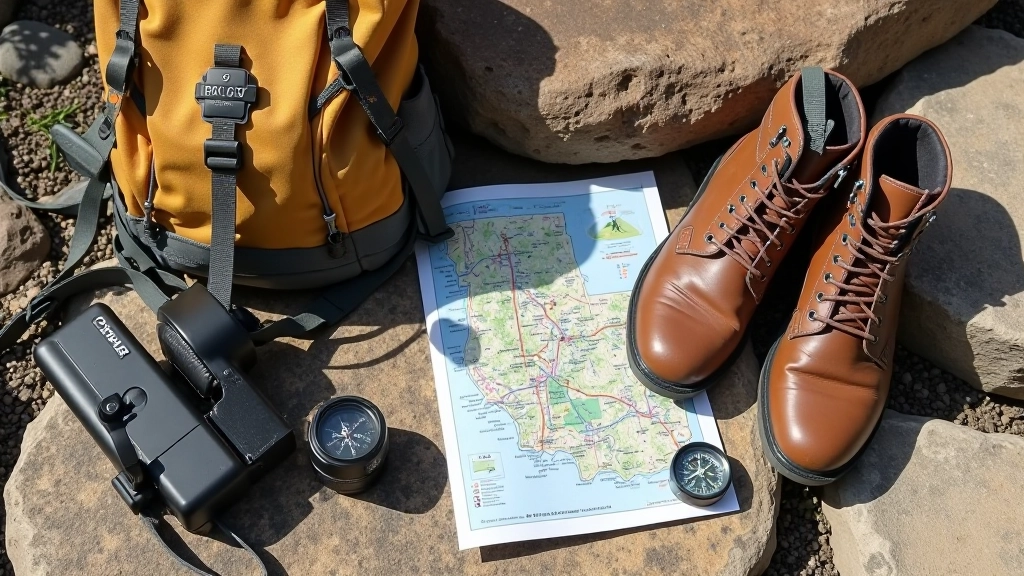
Most people overpack. They bring things they never use and end up exhausted halfway through. The truth? You don't need much — you need the right things.
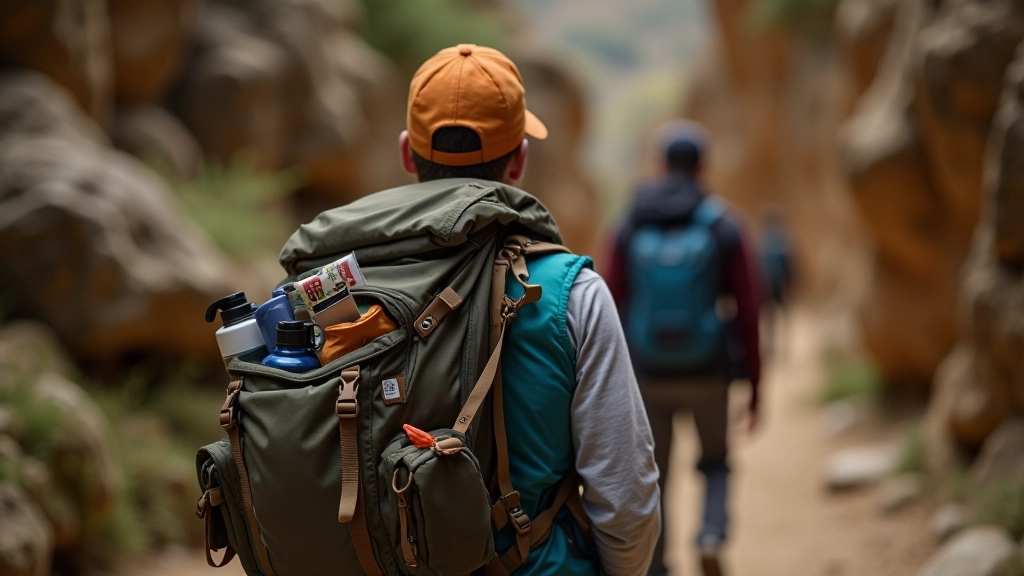
A full day in the labyrinth means 6-8 hours of walking. You'll climb steep sections, navigate narrow passages, and scramble over rocks. Your pack should weigh between 8-12 kg (18-26 lbs). That's it. Anything heavier and you're working against yourself.
Start with water — 2.5-3 liters minimum. Split it between two bottles so you're not carrying all the weight in one spot. Snacks matter more than people think. Energy bars, nuts, dried fruit. Nothing that melts or gets mushy.
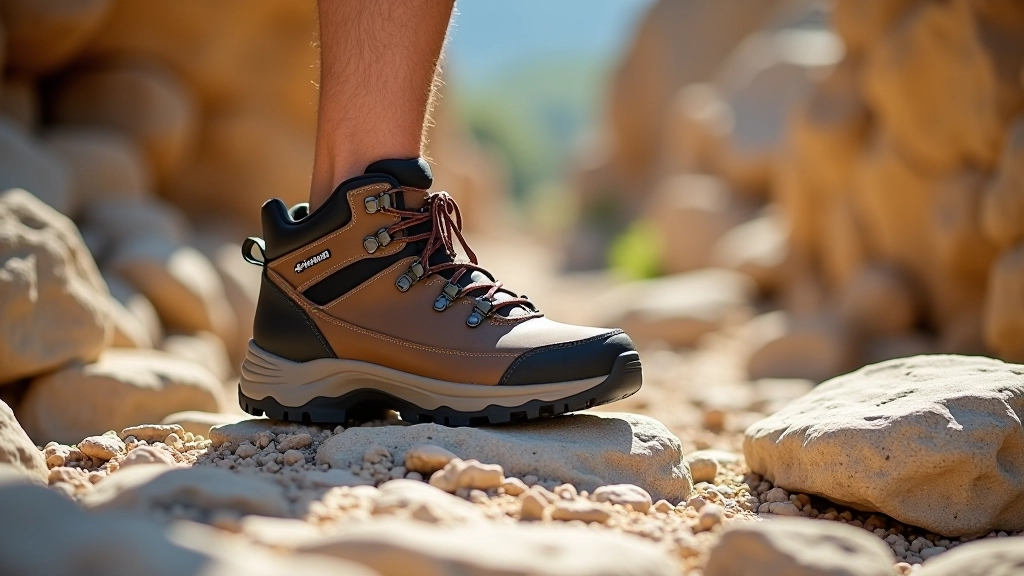
Don't hike the labyrinth in trainers. Seriously. The sandstone is rough, unpredictable, and slippery when it's even slightly damp. You need proper hiking boots with ankle support and a strong grip.
Break them in before you come. Blisters on day one aren't fun. Your boots should be waterproof or at least water-resistant. The rock passages trap moisture, and puddles appear without warning.
Bring a second pair of socks. Just one spare. Cotton socks are a mistake — they hold moisture and create blisters. Merino wool or synthetic blend instead. Thick socks (hiking-weight) not thin athletic ones. The extra cushioning matters on uneven terrain.
Most injuries in the labyrinth happen because people rush or aren't prepared for the terrain. Proper footwear and a reasonable pace prevent almost everything.
The sandstone creates its own microclimate. Sunny on the ridge, cold and damp in the narrow gorges. You'll get hot climbing, then cold standing still. Layers solve this.
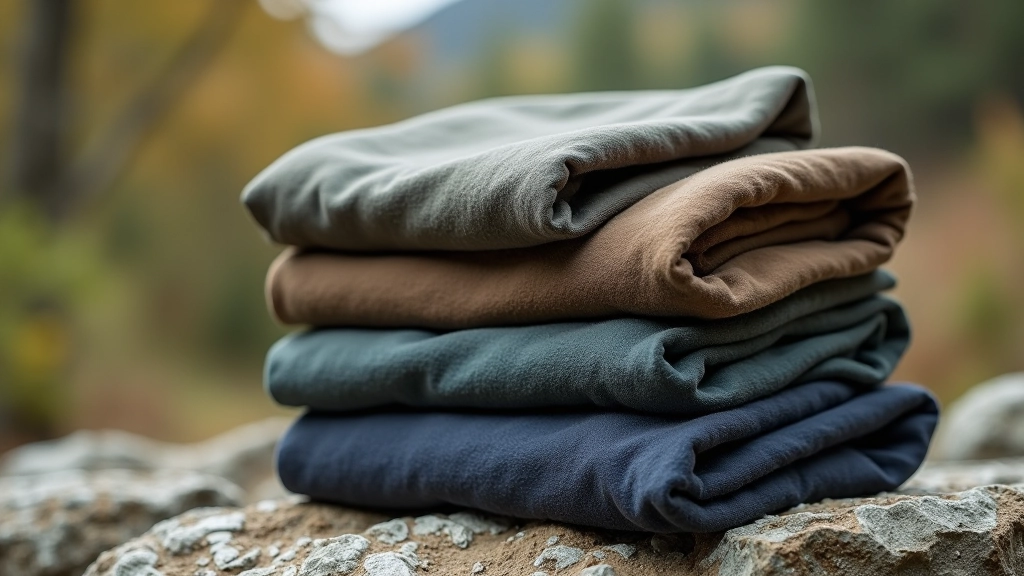
Base layer (merino wool or synthetic), mid-layer (fleece), outer shell (waterproof jacket). Three pieces. You can mix and match depending on what the day throws at you. Leave the cotton t-shirt at home — it absorbs sweat and stays wet.
A lightweight rain jacket takes up almost no space but saves your entire day if weather turns. It happens. Pack it anyway.
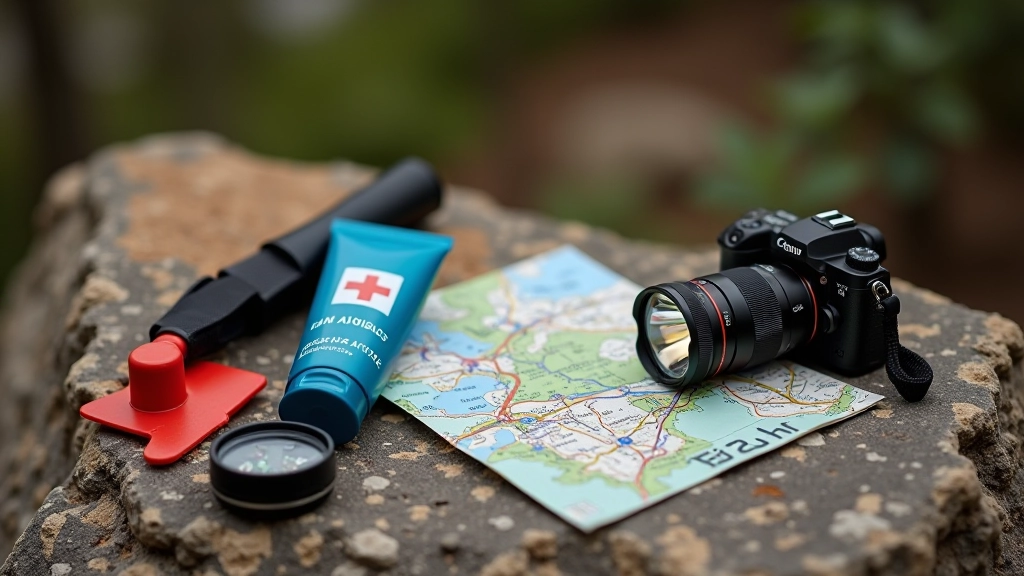
Get a map and know how to read it. The trails are marked, but it's easy to take a wrong turn if you're not paying attention. Don't rely on your phone — battery dies, signal drops, screens are hard to read in bright sun.
Bring a basic first aid kit. Blister treatment, antiseptic wipes, bandages, pain relief. The rocks are sharp and scratches happen. You're 3-4 hours from help if something goes wrong, so carry what you'd want to have.
A headlamp or small flashlight — even in summer. The narrow gorges stay dark. You might finish later than expected. A 50-gram LED headlamp weighs nothing and matters if you're navigating in poor light.
Sunscreen and a hat. The rock reflects sun intensity and you'll burn faster than you think. A lightweight hat (not a baseball cap) keeps sun off your face and helps with balance in narrow passages.
Choose activities that match your fitness level, check local conditions before travelling, and speak with your GP if you have health concerns before starting a new activity. Weather changes quickly in the labyrinth. Rain makes rocks slippery. If conditions worsen, it's fine to turn back.
Heavy cameras with telephoto lenses (bring a smartphone instead). Fancy lunch boxes (sandwiches in a zip bag weigh less). Anything you "might need." A lighter pack means more enjoyment, more photos, more memories.
You'll walk 12-15 km on uneven terrain with 300+ meters of elevation gain. Every gram counts. Pack smart. Pack light. The sandstone labyrinth rewards preparation and punishes overconfidence.
Start early — 8 am is ideal. You'll have the trails quieter and better light for photos. Bring what we've covered, take your time, and you'll have a day you won't forget.
Not all trails in the labyrinth are the same. Learn how to read terrain difficulty, spot challenging sections, and choose routes that match your experience level.
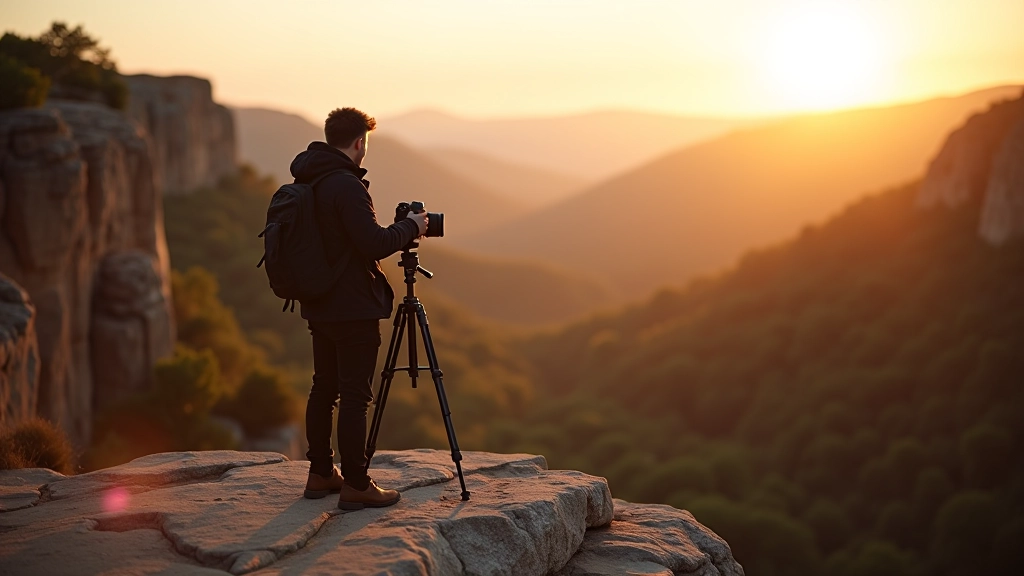
Where the light hits best, which angles show off the rock formations, and how to capture photos that actually do justice to what you're seeing.
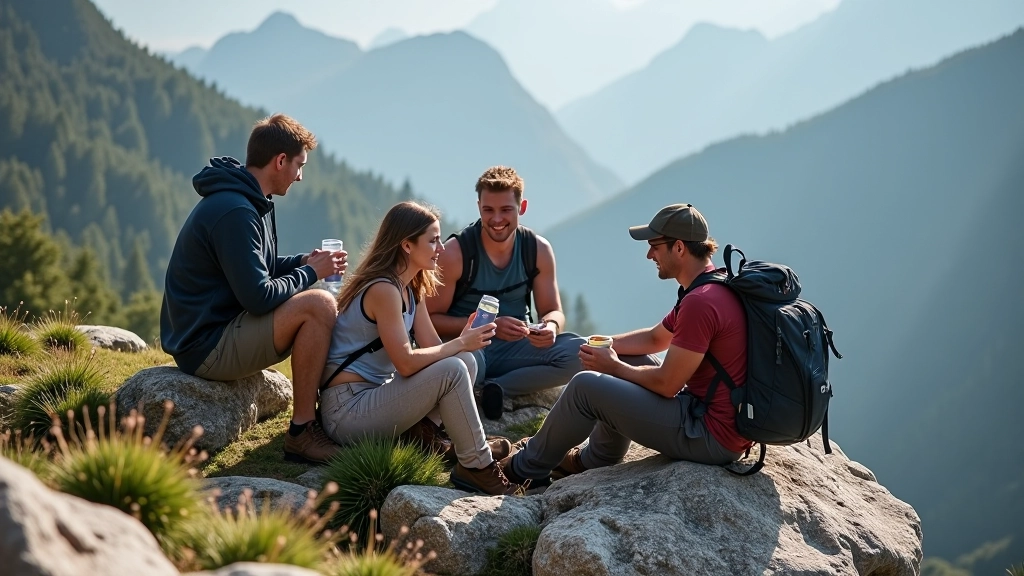
The sandstone labyrinth is beautiful but relentless. Learn how to pace a full-day hike, when to rest, and how to finish strong without burning out.